
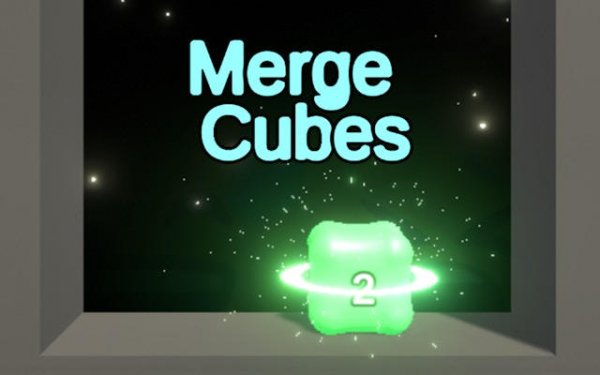
Core Game Loop
Players start with a small grid containing several numbered tiles. The primary action involves shifting all tiles in one direction. When two tiles with the same number touch, they combine into a single tile with double the value. This simple rule creates a chain of decisions as the grid becomes more crowded. Each move must be considered carefully to avoid filling all available spaces.
Controls and Accessibility
Input methods are straightforward. On desktop systems, directional arrow keys control tile movement. Touchscreen users can swipe in any direction to achieve the same effect. The entire grid responds instantly to each command, providing immediate feedback. This design lowers the barrier for new players while maintaining depth for those seeking a challenge.
Visual Clarity and Design
The interface prioritizes readability. Each tile features a bold numeral set against a distinct background color. This color-coding helps players quickly identify matching pairs and assess the board state. Animations are smooth but unobtrusive, ensuring the focus remains on the puzzle. The clean layout reduces visual fatigue during extended sessions.
Progress and Personal Goals
There is no fixed endpoint or failure state. Players track progress through their current score and the highest tile value achieved. Chain reactions, where one merge triggers another, provide moments of rapid advancement. This structure encourages setting personal targets, such as reaching a specific number or surpassing a previous high score. The open-ended nature supports repeated play without frustration.
Strategic Depth
While the rules are simple, mastering the grid requires foresight. Players must anticipate how each move will rearrange the board and plan several steps ahead. Cornering high-value tiles and maintaining open spaces become key tactics. The game rewards patience and thoughtful positioning rather than speed.










Comments
0 comments