
Visual Storytelling Through Puzzles
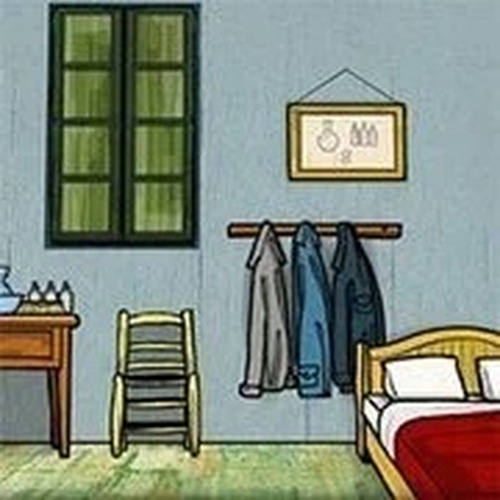
This game wraps its challenges in a distinctive art style that draws heavily from the post-impressionist era. Each room feels like a painted canvas, with objects and furniture arranged to mimic the brushwork and color palettes found in van Gogh's works. The puzzles themselves are integrated into the scenery, so solving them often requires noticing how a shadow falls or how a pattern repeats across a wall. This approach turns every chamber into a miniature gallery where the player's eye must act as both art critic and detective.
Interaction Without Pressure
The core loop is simple: tap or click on items to examine them, then figure out how they connect to the room's larger mystery. There is no countdown clock, no scoring system, and no penalty for wrong choices. This design philosophy makes the experience accessible to anyone who enjoys taking their time. Players can experiment freely, combining objects in different orders or revisiting earlier areas after finding new clues. The interface remains clean and unobtrusive, letting the artwork and puzzles take center stage.
Progressive Complexity
Early chambers introduce basic concepts like matching colors or finding hidden keys. Later rooms layer multiple steps, requiring players to recall earlier solutions and apply them in new contexts. For instance, a pattern seen in one painting might be the key to unlocking a drawer in another room. This gradual increase in difficulty ensures that newcomers can build confidence while experienced puzzle fans still find satisfying challenges. The game never introduces mechanics that feel out of place; every new element flows naturally from the artistic theme.
Atmosphere and Sound Design
Soft ambient sounds and gentle background music complement the visual style. The audio cues are subtle, often providing hints when an object is interactable or when a puzzle piece is correctly placed. This auditory layer helps maintain the calm, immersive mood without becoming distracting. The overall effect is a space where players can lose themselves in quiet contemplation, much like wandering through a quiet museum after hours.
Replay Value and Hidden Details
Some chambers contain optional secrets that are not required for progression. These might be extra paintings to uncover or alternative ways to solve a particular riddle. While the main path is straightforward, these extras reward players who explore every corner. The game also encourages a second playthrough, as certain clues become more obvious once the overall narrative is understood. This design adds depth without forcing completionists to grind through repetitive content.






Comments
0 comments