
Core Gameplay Loop
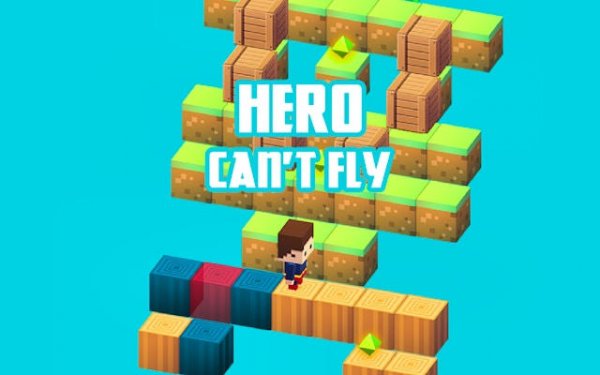
Block Climber: Arcade Jump centers on a simple but demanding objective: guide a character upward through an ever-changing vertical landscape of blocks. The character cannot float or glide, so every upward move depends on accurately timed jumps from one platform to the next. The challenge lies in reading each block's position and committing to a jump at just the right instant. A single misstep sends the character falling, ending the run and forcing a fresh start. This loop of attempt, failure, and refinement forms the heart of the experience.
Obstacle Patterns and Variety
As the character climbs, the environment introduces moving obstacles that appear from different directions. These elements require players to split their attention between the next landing spot and potential threats. The placement of blocks and obstacles shifts with each attempt, so no two climbs feel identical. Some sections may feature tight gaps between platforms, while others demand a quick reaction to a fast-moving hazard. This variety keeps the gameplay from becoming predictable and encourages players to stay alert throughout each run.
Visual Style and Atmosphere
The game uses pixel art graphics with clean, bright colors that create a nostalgic feel reminiscent of classic arcade titles. The visual design focuses on clarity, making it easy to distinguish platforms from background elements. This straightforward aesthetic supports the gameplay by reducing visual clutter, allowing players to concentrate on timing and positioning. The overall presentation is minimal but effective, matching the game's emphasis on skill-based action rather than elaborate storytelling.
Skill Development and Progression
Improvement in Block Climber: Arcade Jump comes through repeated practice and pattern recognition. Players learn to anticipate obstacle movements and develop a personal rhythm for jumping. The difficulty scales gradually, ensuring that beginners can make early progress while veterans face a stiff challenge at higher altitudes. There is no unlock system or power-ups; the only progression is the player's growing ability to read the screen and react faster. This pure skill curve appeals to those who enjoy mastering a single mechanic through dedication.
Session Design and Replay Value
Each game session is designed to be short, typically lasting a few minutes per attempt. This structure makes the game suitable for quick breaks or longer play sessions where players try to beat their previous high score. The endless format means there is no final level or ending, so the replay value comes from self-improvement and competition with personal bests. The combination of simple controls and deep challenge creates a loop that encourages returning for one more try.





Comments
0 comments